The Driver and Vehicle Licensing Authority (DVLA) has taken punitive action against some private vehicle testing stations over concerns that they prioritise the number of vehicles inspected over the quality of safety checks.
The Authority’s Chief Executive Officer, Julius Neequaye Kotey, disclosed this at the Government Accountability Series on Monday, October 12, 2026, following monitoring exercises that uncovered shortcomings in how some stations assess vehicles before issuing roadworthiness stickers.
Here is what you need to know about the sanctions and the measures being introduced to improve vehicle safety inspections in Ghana.
1. Some private vehicle testing stations have been sanctioned
The DVLA has taken punitive action against a number of private vehicle testing stations found to have shortcomings in their inspection practices. However, the Authority did not disclose the names of the affected stations or specify the exact nature of the sanctions imposed.
2. The stations are accused of prioritising numbers over inspection quality
According to Kotey, monitoring exercises revealed that some stations focus more on the number of vehicles processed than on conducting thorough inspections to determine whether the vehicles meet road safety standards.
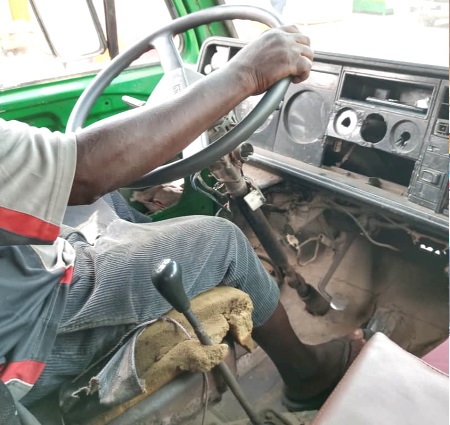
“The phenomenon of rickety vehicles on our roads remains of critical concern to us. The laws of DVLA have placed an enormous responsibility in the hands of private vehicle testing stations and have charged them to examine vehicles before issuing them with road-worthy stickers,” he said.
“Unfortunately, our monitoring exercises have revealed that some of these stations take delight in the numbers rather than the quality of inspection. We have taken some punitive actions against a couple of them,” he added.
3. The sanctions are intended to address road safety concerns
Private vehicle testing stations play an important role in determining whether vehicles are safe for use on public roads. The DVLA’s concerns centre on the possibility that vehicles that do not meet the required safety standards could receive roadworthiness certification without adequate checks.
The Authority’s action is intended to reinforce compliance with inspection requirements and improve the reliability of roadworthiness assessments.
4. The DVLA plans to introduce real-time monitoring
Beyond the sanctions, the Authority is planning to introduce a system that will require private vehicle testing stations to transmit images and videos of vehicle inspections in real time.
The proposed system will allow the DVLA’s monitoring room to observe inspection activities at stations across the country and obtain evidence that the required checks have been carried out.
5. Testing stations may need to upgrade their equipment and technology
The DVLA is also engaging stakeholders on upgrading vehicle testing stations to meet the demands of modern vehicles.
The proposed improvements include better inspection equipment, diagnostic technology and procedures to ensure that vehicles are assessed against appropriate safety requirements.
6. The broader objective is to prevent unsafe vehicles from receiving certification
The measures form part of the DVLA’s efforts to improve oversight of private vehicle testing stations and ensure that roadworthiness stickers are issued only after vehicles have undergone the necessary safety checks.
By combining punitive action with stronger monitoring and improved testing technology, the Authority aims to prevent vehicles that fail to meet safety standards from being certified for use on Ghana’s roads.
While the DVLA has confirmed that sanctions have been imposed on some stations, further details about the affected facilities, the specific penalties and the implementation timeline for the proposed monitoring system have not been disclosed.

